
Popular searches
Not sure where to start?Talk to our team about running sovereign AI in your environment.
↑ ↓ Navigate↵ OpenEsc Close
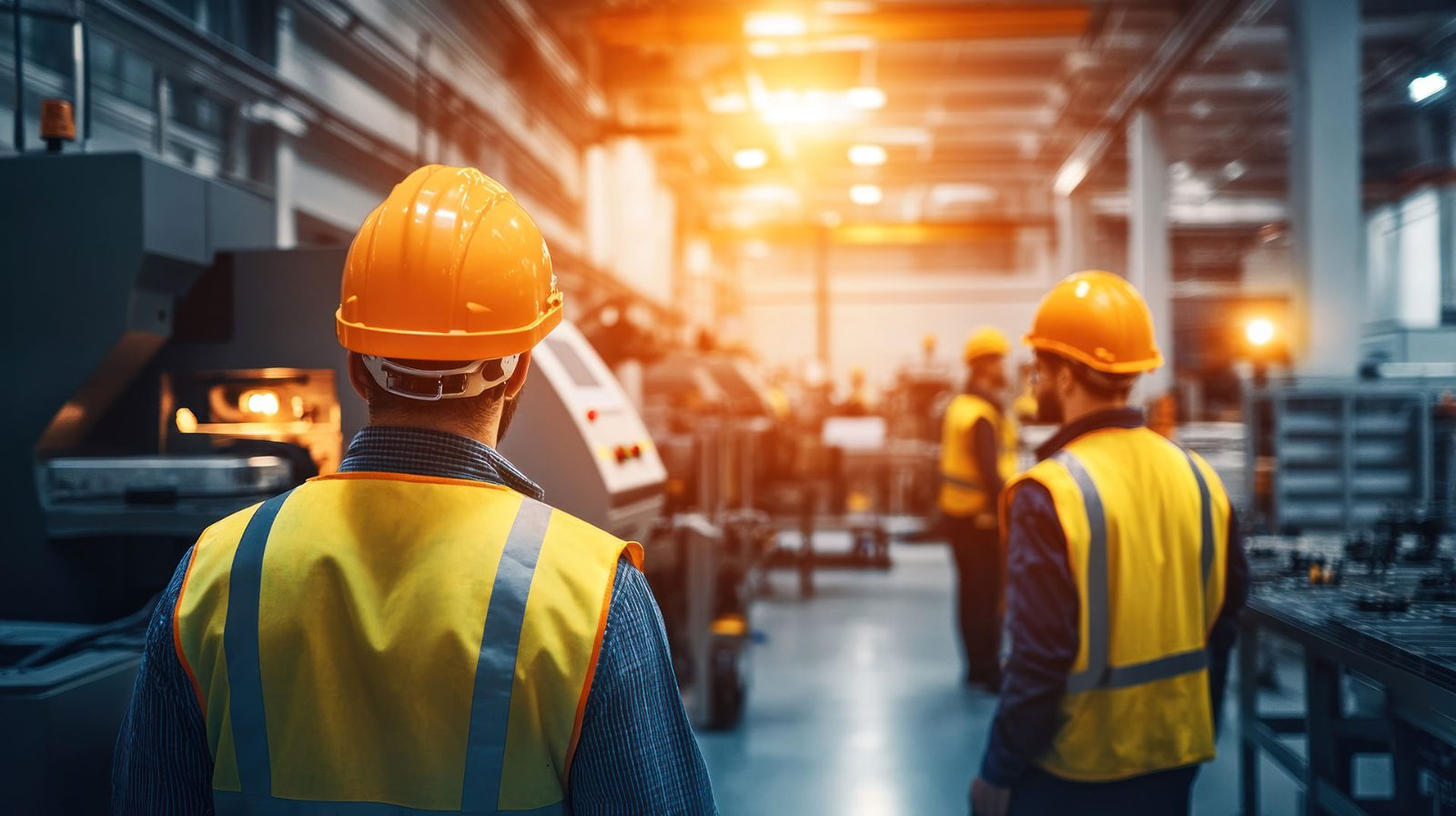
Takenaka uses H2O Driverless AI to predict the accidents most likely on a given day's work and alert site teams in advance, reducing injuries while a small analytics team runs around 10 AI projects.
Takenaka's small Digital Department needed to build and deploy many models with a limited team, across environments as different as a headquarters server and an offline construction site. Its flagship use case predicts the occupational accidents most likely for a given day's work so site teams can act before they happen.
Takenaka's Digital Department is small, a handful of people each juggling four or five projects, yet the demand for AI across the business kept growing. Outsourcing model development cost hundreds of thousands of dollars per model with no guarantee it would ever reach production, and an earlier AutoML product charged for distributing each exported model, which held back adoption. The team needed to build and iterate models quickly, earn the field's trust in the predictions, and deploy them across very different environments.
Takenaka adopted H2O Driverless AI to automate algorithm selection and feature engineering, letting a small team run many analytical projects at once. Its flagship use case predicts the types of occupational accident most likely for a given day's work, based on the site, building structure, nature of the work, and past accident data, then surfaces the results to site supervisors and partner companies for morning safety meetings and inspections.
Driverless AI's deployment flexibility mattered as much as the modeling. Takenaka runs models three ways: the REST API for evaluation, MOJO scoring packages on containers or cloud servers, and MOJO embedded directly in a system, so predictions run online at headquarters or offline at a worksite.
With Driverless AI, Takenaka's small team now runs around 10 AI projects in production, from the accident-prediction model to demand forecasting and survey analysis. The accident model's biggest impact has been at the worksite itself: fewer accidents and fewer worker injuries and fatalities, along with a lighter load on the skilled construction managers who previously had to be on site constantly. Takenaka reports that the automated models match or beat the accuracy of models its data scientists built by hand.
“We are exploring the integration of digital twin technology with the results of Driverless AI, combining 3D data of the entire workplace to enhance our safety measures.”Mr. NakagawaDigital Division, Takenaka Corporation
Takenaka Corporation is one of Japan's five super general contractors, tracing its roots to 1610 and headquartered in Osaka. It designs and builds across architecture, engineering, and construction, with landmark projects including Tokyo Tower, and generated about $10.5 billion in revenue in 2024.
Takenaka's Digital Department applies AI across its business processes, from proposal and design to construction and maintenance, optimizing for quality, cost, delivery, safety, and environment. Learn more at https://www.takenaka.co.jp/takenaka_e/.